
Call us now
Powder coating has become increasingly popular in various industries for its durability, uniform appearance, and overall versatility. However, one key concern that arises is how powder coatings hold up when exposed to ultraviolet (UV) radiation. In this article, we will explore the important topic of UV resistance in powder coatings, including the factors that influence it and the implications it has on the overall performance and longevity of the coated surface. By gaining a deeper understanding of powder coating UV resistance, professionals and industries alike can make informed decisions when selecting and utilizing powder coatings, ensuring optimal performance even in the face of harsh UV environments.
| Electrical Household Appliances | Aerospace Area |
| Automotive Electronics | Fitness Equipment |
| Track Traffic | Medical Devices |
| Petroleum Pipes, Valve | Tools & Hardware |
| LED Lights, Outdoor Lamps | Radiator & Heat Sink |
| Glass Decoration | External Facilities |
Our Powder finishes are available in a vast range of colors and finishes.
Including metallic effect,chrome effect,wood grain,Candy Color Powder ,MDF powder
and other special effect,making them ideal for indoor decoration of steel furniture,
and outdoor metal products such as agricultural machinery, auto parts
Our products have a good storage stability ,salt spray resistance,weatherability, exterior durability,
corrosion resistance,chemicals resistance, Highly Weather- and UV-Resistant,and also Good heat flow
| Type | Epoxy Powder Coating; Polyester Powder Coating; |
| Epoxy-Polyester Powder Coating | |
| Color | RAL&Pantone color |
| Surface Finish | Superior gloss and color retention |
| Particle Size | Average 32-42m |
| Specific Gravity | 1.2-1.7g per cubic meter |
| Coverage | 8-10 square meters per Kg at 30-90 m film thickness |
| film thickness | Not less than 100m |
| Application Voltage | 60-90 KV |
| Gun to Component Distance | 15-30CM |
| Curing Temperature | 180-200,10 min-15 min |
| Store in ventilated, dry, clean room, temperature < 25 | Relative humidity 50-65% |
| Away from direct sunlight, fire, heat | For best performance, use within 6 months |
| Test Item | Test Method | Test Result |
| Film Thickness | ISO2360 | 60-80um |
| Pencil Hardness | ASTMD 3363 | HB-H |
| Bending | ISO1519 | 10mm |
| Grid Test 1mm | ISO2409 | 0 Class |
| Impulse Test | ASTMD2794 | Pass |
| Cupping Test | ISO1520 | 8mm |
| Heat Resistance 1000 hours | ISO6270-1 | Popping<1mm |
| Salt Spray 1000 hours | ISO9227 | Corrosion Spreading<1mm |
When it comes to powder coatings, understanding the impact of UV radiation is crucial for achieving optimal performance and durability. UV radiation, which is part of the electromagnetic spectrum, can have both positive and negative effects on powder coatings. Heres a closer look at how UV radiation influences the properties and behavior of powder coatings.
Colour Fading: UV radiation can cause pigments in powder coatings to fade over time. This is particularly important to consider for outdoor applications, where prolonged exposure to sunlight can lead to color changes. Understanding the specific UV resistance characteristics of powder coatings is essential for ensuring long-lasting color stability.
Degradation: UV radiation can also trigger the degradation of powder coatings. This process, known as photodegradation, occurs when the chemical structure of the coating is altered by UV exposure. The result is a loss of physical properties and a decrease in overall performance. Examining the resistance of powder coatings to UV degradation is vital to selecting the right product for different applications.
Protection: While UV radiation can be detrimental to powder coatings, taking appropriate measures can help mitigate its impact. Incorporating UV absorbers into the coating formulation can provide protection against the damaging effects of UV radiation. This is especially significant in industries where exposure to sunlight is high, such as automotive and architectural applications.
is essential for engineers, applicators, and end-users to make informed decisions about product selection and application methods. By carefully considering factors like color stability, degradation resistance, and UV protection, powder coatings can provide superior performance and longevity in a wide range of environments.
Enhancing UV Resistance in Powder Coatings: Best Practices and Considerations
Powder coatings are widely used in various industries due to their durability and superior aesthetics. However, one of the challenges faced by manufacturers is the degradation of these coatings when exposed to UV radiation. To mitigate this issue and enhance the UV resistance of powder coatings, certain best practices and considerations should be taken into account.
Firstly, selecting the right resin system is crucial. UV stable resins, such as polyester, acrylic, or polyurethane, should be chosen over other options to ensure better resistance against UV radiation. These resins contain specific additives that provide protection against UV degradation, minimizing the risk of discoloration and surface defects. Additionally, incorporating hindered amine light stabilizers (HALS) into the formulation can further enhance UV resistance by absorbing harmful radiation and converting it into heat. It is important to consult and collaborate with resin suppliers to determine the most suitable resin system for the desired UV-resistant powder coating.
In addition to resin selection, proper pigment and additive choices play a significant role in enhancing UV resistance. UV-absorbing pigments, such as titanium dioxide or iron oxide, act as a shield against UV radiation by reflecting or scattering the harmful wavelengths. This helps prevent photochemical reactions that lead to color fading or surface degradation. Incorporating inorganic or organic UV absorbers as additives can also contribute to improved UV stability. These additives work by absorbing and dissipating UV energy, thereby protecting the coating from degrading effects. It is essential to carefully consider the compatibility of pigments and additives with the chosen resin system to ensure optimum UV resistance.
Q: What is powder coating UV resistance?
A: Powder coating UV resistance refers to the ability of a powder-coated surface to withstand the harmful effects of ultraviolet (UV) radiation without significant degradation or loss of performance.
Q: Why is UV resistance important in powder coating?
A: UV resistance is crucial in powder coating as exposure to UV radiation can cause color fading, gloss reduction, chalking, brittleness, and overall deterioration of the coating. It is particularly vital for surfaces exposed to direct sunlight or outdoor environmental conditions.
Q: What factors determine the UV resistance of a powder-coated surface?
A: Several factors contribute to the UV resistance of a powder-coated surface, including the type and quality of the powder coating material, the thickness of the coating, surface preparation, application techniques, and exposure conditions.
Q: How does powder coating provide UV resistance?
A: Powder coating typically consists of polymer resin particles mixed with pigments and additives. These particles are electrostatically charged and applied to the substrate before being cured in an oven. The curing process transforms the powder particles into a continuous, resilient film that offers protection against UV radiation.
Q: Are all types of powder coatings equally UV resistant?
A: No, the UV resistance of powder coating can vary depending on the type of polymer resin used. Some polymers, such as polyester and polyurethane, exhibit excellent UV resistance, while others, like epoxy, are more susceptible to UV degradation. It is essential to choose the appropriate powder coating formulation based on the specific application requirements.
Q: Can powder coating protect against other environmental factors besides UV radiation?
A: Yes, besides UV resistance, powder coating can provide protection against corrosion, chemicals, abrasion, impact, and moisture. Its durability and resilience make it a popular choice for various industries, including automotive, aerospace, building and construction, furniture, and appliances.
Q: How long does the UV resistance of powder coating typically last?
A: The longevity of UV resistance in powder coating depends on multiple factors, including the quality of materials used, the application process, and maintenance practices. Generally, high-quality powder coatings with good UV resistance can maintain their performance for many years, even under harsh environmental conditions.
Q: What measures can be taken to enhance the UV resistance of powder coatings?
A: To improve UV resistance, manufacturers can incorporate UV stabilizers and additives into the powder coating formulation. Additionally, applying a clear topcoat with enhanced UV protection can provide an extra layer of defense against UV radiation.
Q: Can powder-coated surfaces be refurbished or rejuvenated if UV resistance diminishes over time?
A: When the UV resistance of a powder coating starts to diminish, the surface can be refurbished by recoating or repainting with a new layer of UV-resistant powder coating. Proper surface preparation, including cleaning, priming, and removal of damaged coating, is necessary to ensure adhesion and longevity of the new coating.
Q: Are there any limitations or precautions to consider regarding UV resistance in powder coating?
A: While powder coating offers excellent UV resistance, it is crucial to note that prolonged and excessive exposure to UV radiation can still cause gradual degradation over time. Therefore, regular maintenance, including cleaning and inspection, is advisable to identify and address any potential issues before significant damage occurs.
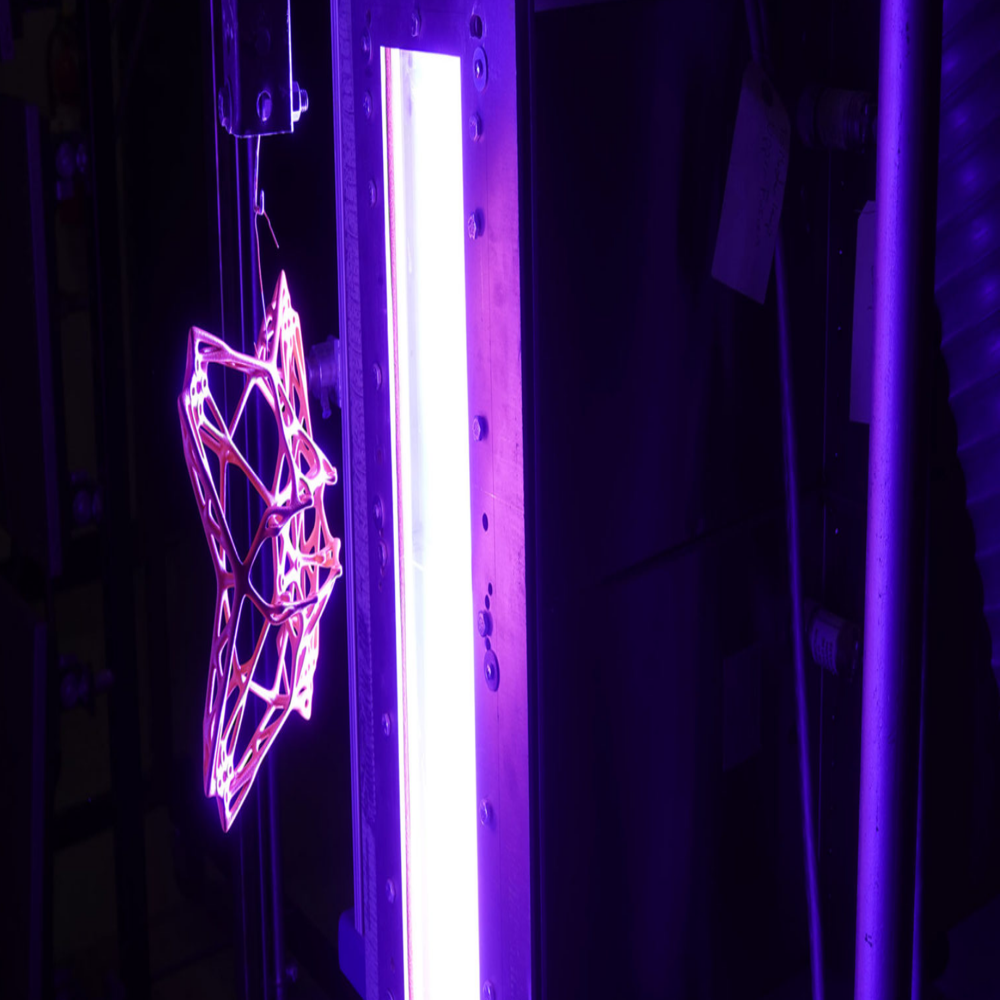

Price:
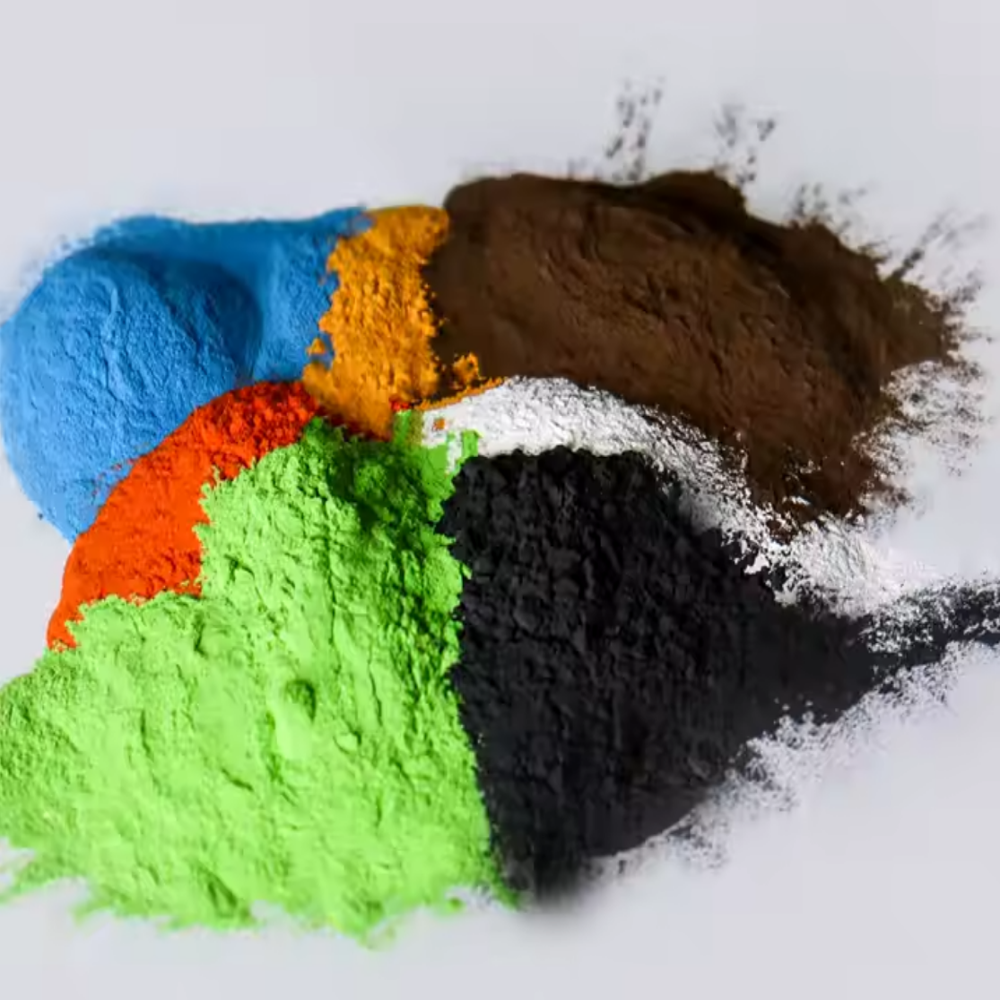
Price 2950.0 USD ($) / Ton
Minimum Order Quantity : 1 Ton
Type : Thermosetting powder coating
Chemical Name : Other, Medium Temperature Cure Powder Coatings
Usage : Other, Surface finishing for metals, automotive parts, appliances, and general industrial applications
Physical Form : Other, Fine powder
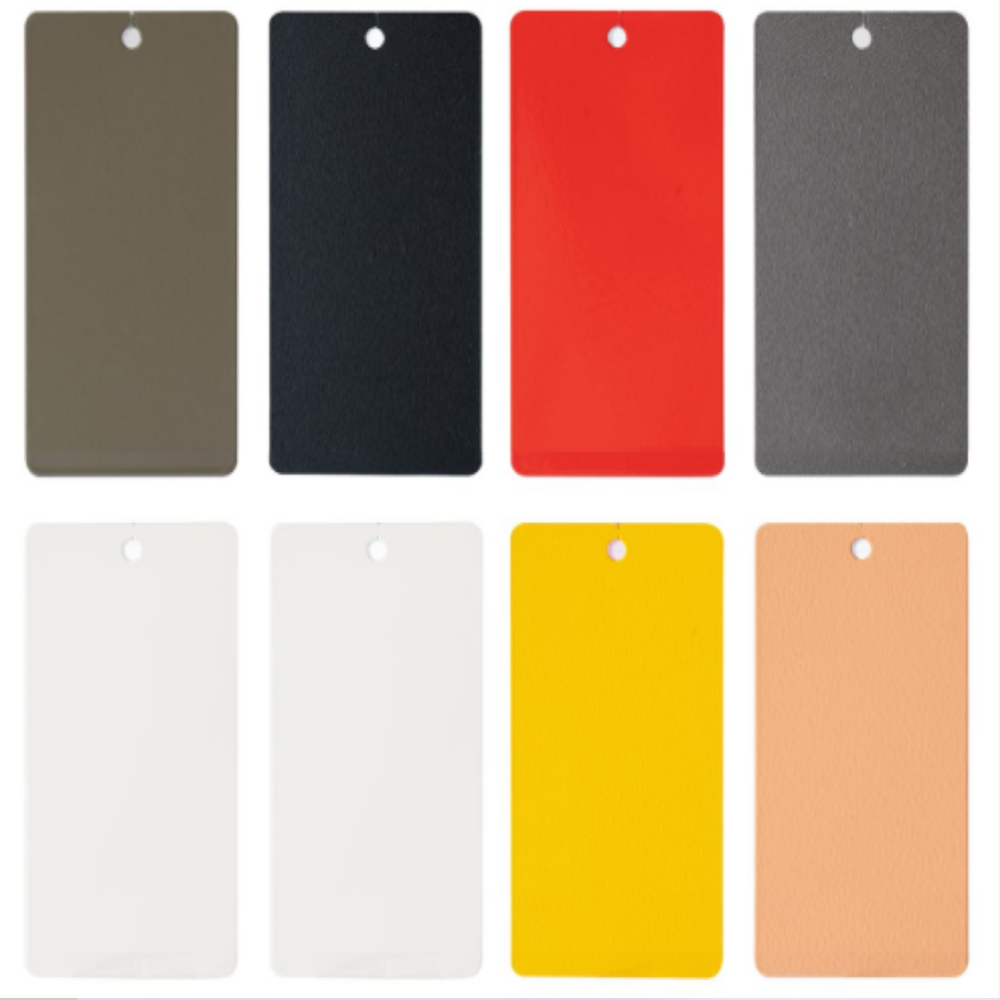
Price 2950.0 USD ($) / Ton
Minimum Order Quantity : 1 Ton
Type : Thermosetting Powder Coating
Chemical Name : Other, High Performance Functional Powder Coating
Usage : Other, Surface coating for metal, appliances, machinery, automotive, architectural, outdoor equipment
Physical Form : Other, Freeflowing powder
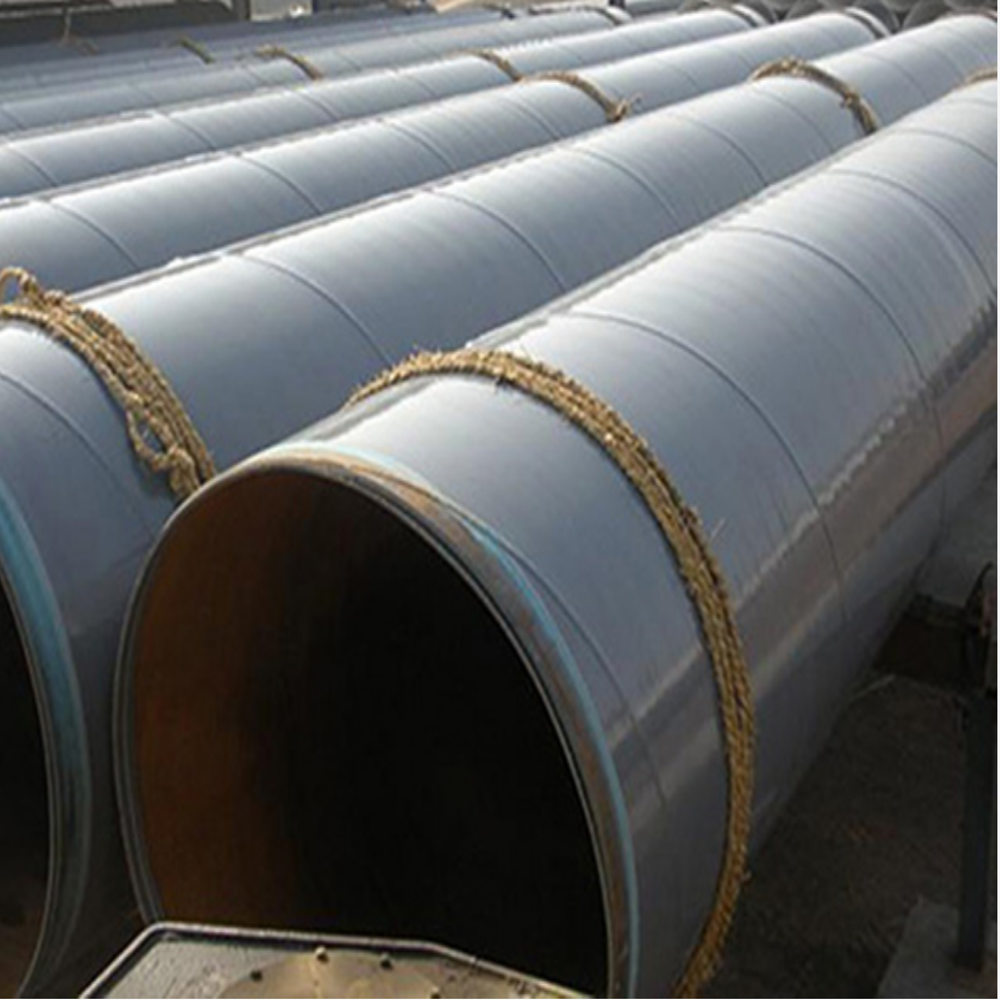
Price 2950.0 USD ($) / Ton
Minimum Order Quantity : 1 Ton
Type : Thermosetting Powder Coating
Chemical Name : Other, Epoxy DualResistance Anticorrosion Powder Coating
Usage : Other, Anticorrosion Protection for Steel Pipes in Coal Mines
Physical Form : Powder
Price 2950.0 USD ($)
Minimum Order Quantity : 1
Type : Gloss / Satin / Matt
Chemical Name : Other, Architectural Aluminium Powder Coating MTD2525
Usage : Other, Exterior and Interior Architectural Aluminium Profiles and Panels
Physical Form : Powder


 Send Inquiry

 Send Inquiry
 Send Inquiry