
Call us now
Used for aluminum substrate surfaces such as building curtain walls, doors and windows, ceilings, roofs, and storefronts.
| Item | Unit | MT-201 |
| Appearance | / | White powder |
| Odor | / | Without |
| Purity, | % | 99.5 |
| Scattered fineness, | m | 25 |
| Melting Index | g/10min | 0.5-2.0 |
| Standard relative density | g/cm3 | 1.75-1.77 |
| Melting point | 156165 | |
| Thermal decomposition, | 380 | |
| moisture, | % | 0.10 |
Keep this product from high temperature to prevent toxic gas releasing at the temperature above 350
1). Packed in plastic drums, and circular barrels outside, 20kg/drum.
2). Stored in clear and dry places, and temperature range is 5-30.
3). The product should be transported as non-dangerous product, avoiding heat, moisture and strong shock.


Price:
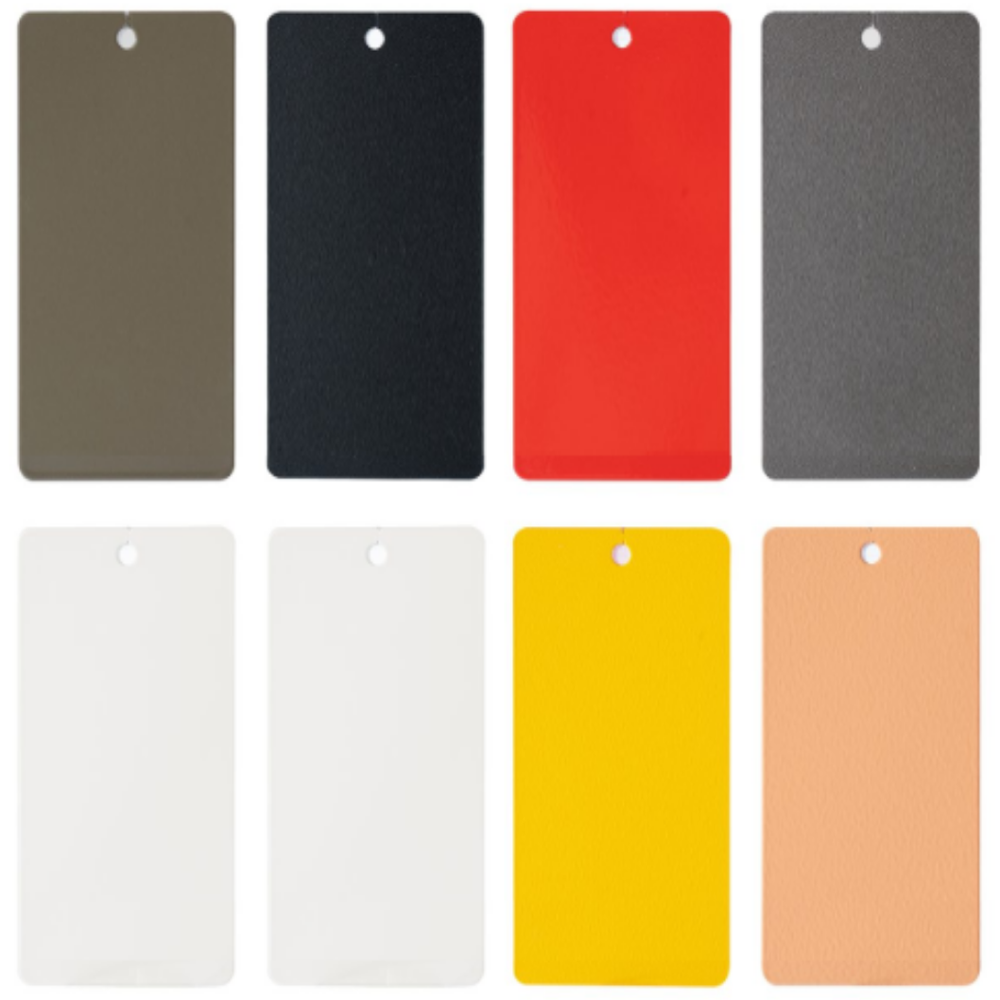
Price 2950.0 USD ($) / Ton
Minimum Order Quantity : 1 Ton
Usage : Other, Metal surface coating for automotive, appliances, architectural, and general industrial uses
Type : Flat High Gloss Powder Coating
Chemical Name : Other, Polyester Resin Blend
CAS No : N/A (mixture)
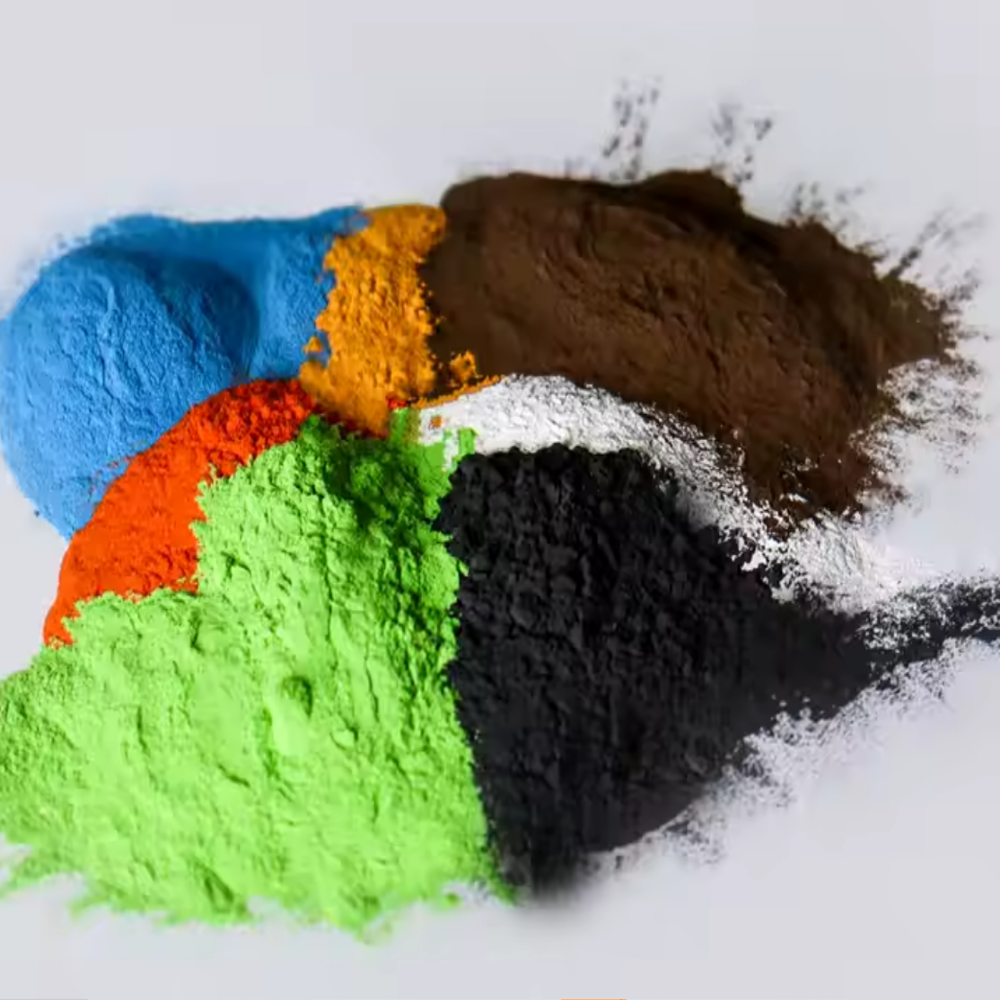
Price 2950.0 USD ($) / Ton
Minimum Order Quantity : 1 Ton
Usage : Other, Surface finishing, metal coating, corrosion protection, decorative coating
Type : Thermosetting Powder Coating
Chemical Name : Other, EcoFriendly Powder Coating Blend
CAS No : Mixture (varies with resin type, typically contains polyester/epoxy resins, pigments)
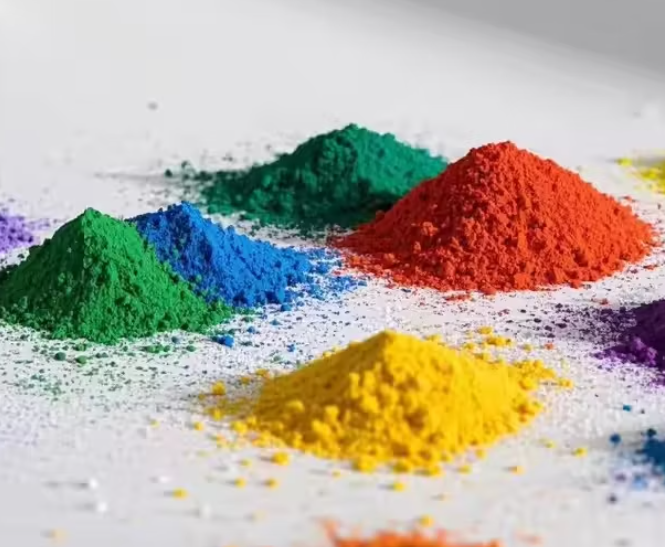
Price 4.0 USD ($) / Kilograms
Minimum Order Quantity : 100 Kilograms
Usage : Other, Exterior and Industrial Applications
Type : Thermosetting Powder Coating
Chemical Name : Other, Super Weather Resistant Powder Coating
CAS No : N/A (Proprietary Blend)
Price 2950.0 USD ($) / Ton
Minimum Order Quantity : 1 Ton
Usage : Other, Protective and Decorative Surface Coating for Metals and Other Substrates
Type : Thermosetting Powder Coating
Chemical Name : Other, Black Powder Coating Series
CAS No : N/A (Proprietary Blend)


 Send Inquiry


 Send Inquiry
 Send Inquiry
