
Call us now
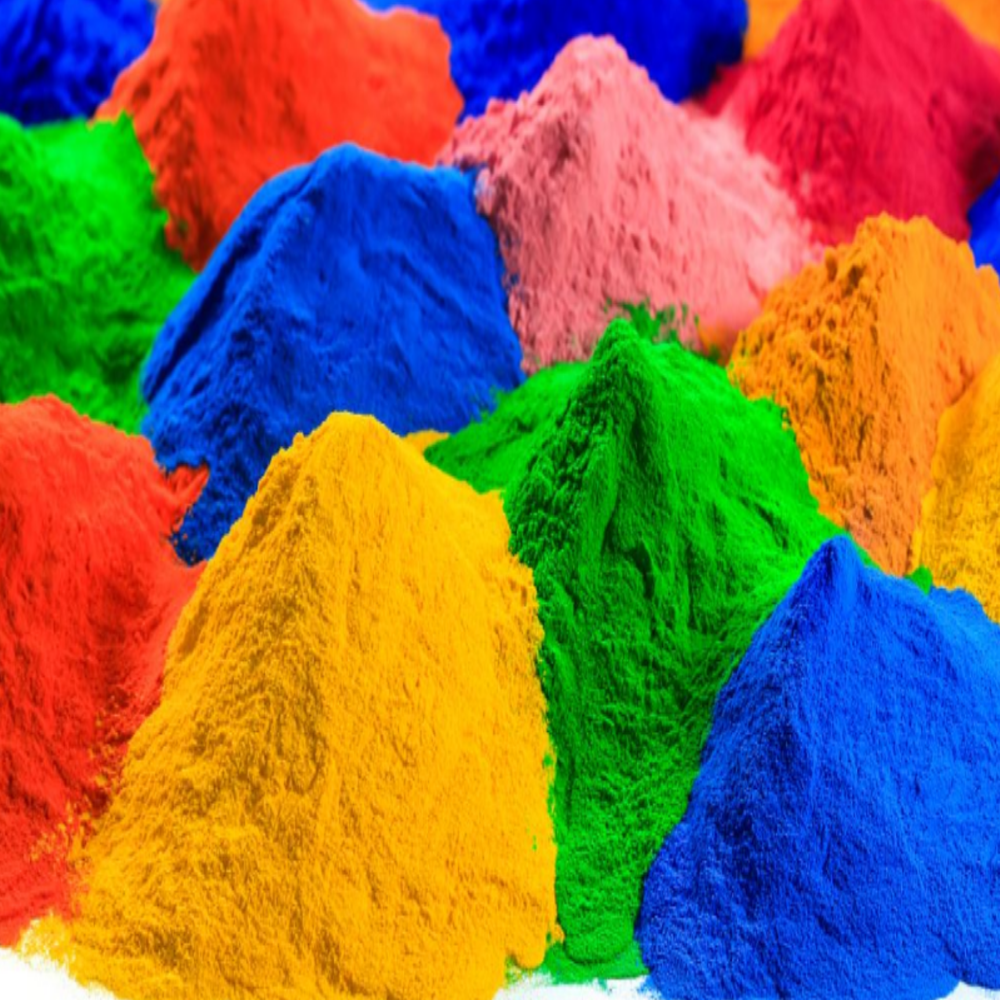
Powder coating is a dry coating process used as a metal finish mostly on industrial equipment. Powder coating is applied as dry powder through an electrostatic process, then cured with heat. It is well known for providing high-quality finishes in terms of both functionality and overall look.
The powder coating finishes are not only sturdy but flexible as well. It can be used on different surfaces, including metal, concrete, steel, and plastic. Its suitable for both indoor and outdoor applications, and its one of the most cost-effective finish options.
Basic characteristics of powder coatings
Powder coatings are blends of synthetic resins, pigments and functional additives prepared as a fine powder. Application is carried out by electrostatic or tribo (electrokinetic) spraying, where charged powder particles adhere to a grounded metal surface.
After spraying, the part goes into an oven where, at 160200C, the coating melts and cures. The result is a uniform, dense film strongly bonded to the substrate and resistant to mechanical damage, corrosion and environmental exposure.
Unlike liquid paints, powder technology does not require solvents and does not emit VOCs (volatile organic compounds), which significantly reduces environmental impact and helps meet environmental standards (e.g., RoHS, REACH).
Detailed differences between coating families epoxy, polyester, hybrid and polyurethane are described in the sections below.
There are two types of powder coating, thermosets and thermoplastics.
Thermoplastic powder coating finishes become liquid and very soft when heated. This eliminates chemical bonding. This process makes the powder coating both reversible and reusable.
Thermoplastic coatings tend to be thicker, and hence more durable compared to thermoset coatings. For this reason, they can be used for a plethora of things from metal, auto parts, and even refrigerators.
On the other hand, thermoset powder is quite different in the fact that it forms chemical bonds once cured, making it impossible to recycle it. It is suitable for high heat areas because the bonds prevent it from melting away. This type is much cheaper compared to thermoplastic.
Thermoplastic Resins
Within these two major types of powder coating lie more specific forms of powder coatings based on the resin that is used. Each the resins have different properties that make the powders they are mixed with more suitable for specific applications and environments. If you need a flexible powder coating that provides added resistance to corrosion, then it would be better to select an epoxy based powder coating over a polyester based powder coating.
Nylon
Nylon is one of the most common bases used in thermoplastic powder. More commonly referred to as polyamides, these nylon-based thermoplastics are incredibly durable and provide additional chemical and solvent protection. Polyamide coatings are seen frequently on dishwasher baskets, pipes, valves, and outdoor applications because of its added strength and clean appearance.
Polyester
Thermoplastic polyester powders will not typically require a primer to aid in the adhesion process. Polyester powder coatings can lack some of the impact resistance that other powder coatings may offer, but is still more resistant than traditional liquid paints and coatings. One of polyester powders best properties is its strong resistance to UV. This prevents the powder coating from yellowing or chalking over time.
Polyester powders that are mixed with TGIC (triglycidyl isocyanurate) in the curing process gain additional impact and weather resistance. TGIC polyester makes a great choice for any outdoor items that would need added protection from light, such as patio furniture or panels on large industrial buildings. Polyesters are a versatile form of resin and will commonly be found mixed with others to create a hybrid powder coat.
Epoxy-Polyester Hybrid
Epoxy polyester is a hybrid between two of the most popular powder coating hybrids available. It is more resistant to chalking and over-baking than pure epoxies and coat surfaces to a greater degree. This makes the hybrid a good choice for decorative applications. This powder coating is slightly less resistant to chemicals and solvents and displays a lower surface hardness. This hybrid is usually used for residential applications such as shelving and office furniture.
Thermoset resins
Polyurethane
Not many resins are as versatile as polyester. Polyester can be applied as a thermoplastic or as a thermoset. Polyurethane is a hybrid powder coating of polyester and urethane coatings. Polyurethane has a thin film appearance that is durable and offers strong mechanical and chemical resistance. Polyurethane powder must be applied at a higher heat in the curing process which means parts that contain lead, cast, and sometimes aluminum are unable to be coated.
Epoxy
Thermosets that contain epoxy offer some of the best corrosion and impact resistance of any powder coating finish. You will see epoxy finishes commonly used in the automotive industry and when covering electrical components. Epoxy has an electrical insulation property and can be used as an adhesive, sealant, coating or more with electrical applications. Epoxy coatings are sensitive to light and high heat areas so they should not be used for outdoor applications. This is why you will commonly see epoxy coatings underneath the hoods of cars and in other areas of the vehicle that require a tough and resistant coating without risking exposure or contact with light.
Acrylic
Acrylic powder coating is popular in the automotive industry as well. Commonly used for clear coatings, acrylic powder will cure into a smooth surface that exhibits great impact resistance. When you mix acrylic with a resin such as urethane it can become quite versatile. Acrylic urethane finishes have a great appearance with brilliant color and gloss. The finish has great durability and resistance to chemicals and weathering. This powder coating hybrid has some limiting properties however, notably that it must be rather thin as it can begin to pull back on itself as the thickness increases.
Matte Finish Powder Coating
Simple and effective. The powder coating stalwart is available in any colour from the RAL chart, matte finish powder coating, also known as flat has a gloss level of around 30. While it does reflect some light, its not as clear-cut as other finishes and provides a perfect complement to any product.
Gloss Powder Coating
Starting at a gloss level of around 70, gloss is a very common powder coating finish, leaving a reflection, but one that isnt highly refined.
Compare that to something like a medium gloss with a gloss level of 75, and a high gloss with a level of 80 and you start getting an almost water-like finish to your powder coating, providing greater definition to all corners and edges.
Sparkle Powder Coating
Using flecks of aluminium and mica in the powder, sparkle coating helps provide powder coating finishes from pearlescence through to deep earth metallics.
As the light catches the metallic flecks within the powder coat, youll be hit with a range of diamond-like light reflected rainbows.
Sand Texture Powder Coating
With material added into the coating process, its name is taken from the sandpaper-like texture it creates. Sand texture powder coating creates higher levels of friction, which is required for certain applications.
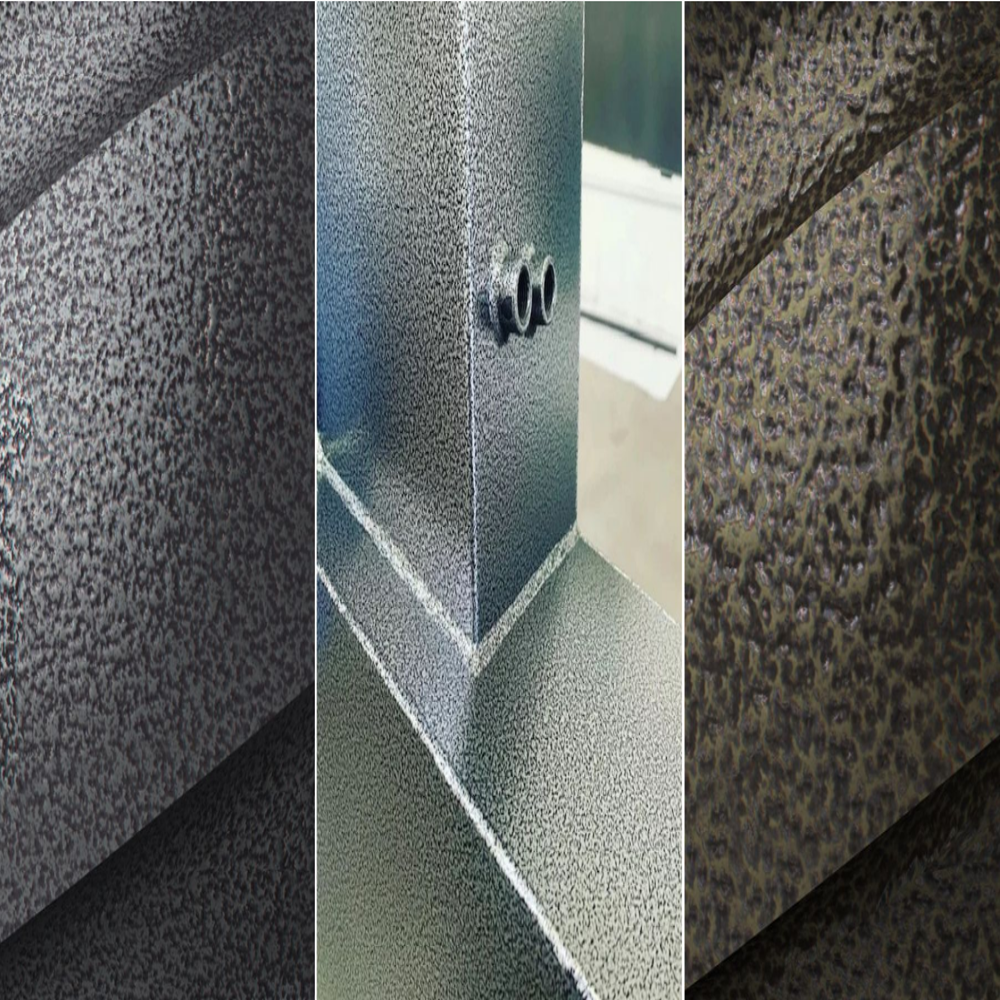
Hammer Powder Coating
The hammer effect can be compared to a sand texture. Its distressed look provides the powder coated product with an antique aesthetic. Metallic pigments of gold or silver weave through a dark undercoating, providing an aged texture which is becoming common in domestic projects.
Clear Powder Coating
Common when you are looking at changing the gloss levels on a finish or adding contrast and shine, clear coat powder coating can be added to any colour. The benefit is purely aesthetic as higher gloss levels are often required, although its common to add a clear coat to metallic powder coating as it protects the finish from oxidizing over time.
Chrome & Metallic Powder Coating
Using powder version of metallic materials, chrome and metallic powder coating give you the opportunity to replicate any automotive finishes on your parts. Its recommended that metallic powder coating is coated in a clear layer to slow down any oxidization.
Choosing a powder coating should consider not only the visual effect but above all the service conditions and technical requirements. Exterior elements exposed to variable weather require a different approach than interior coatings where chemical resistance or hardness is key.
| Criterion | Recommended Moutainchem coating family |
|---|---|
| Application environment | Interior: epoxypolyester (hybrid) Exterior: polyester Specialist applications: specialty powders (e.g., antibacterial, hightemperature) |
| Chemical resistance | Epoxypolyester; specialty powders (e.g., for industrial use) |
| UV resistance | Polyester |
| Longterm aesthetic stability | Polyester; specialty effects (e.g., metallic, textured) |
| Temperature resistance | Specialty hightemperature powders (up to 600C) |

Price:
Price 2950.0 USD ($) / Ton
Minimum Order Quantity : 1 Ton
Pack Type : HDPE Laminated Bags
Appearance : Other, Leaf, Metallic, or Silver Hammer Finish
Pack Size : 20 kg, 25 kg
Standard : ASTM D 3359, ISO 8130
Price 2950.0 USD ($) / Ton
Minimum Order Quantity : 1 Ton
Pack Type : Sealed moistureproof bags
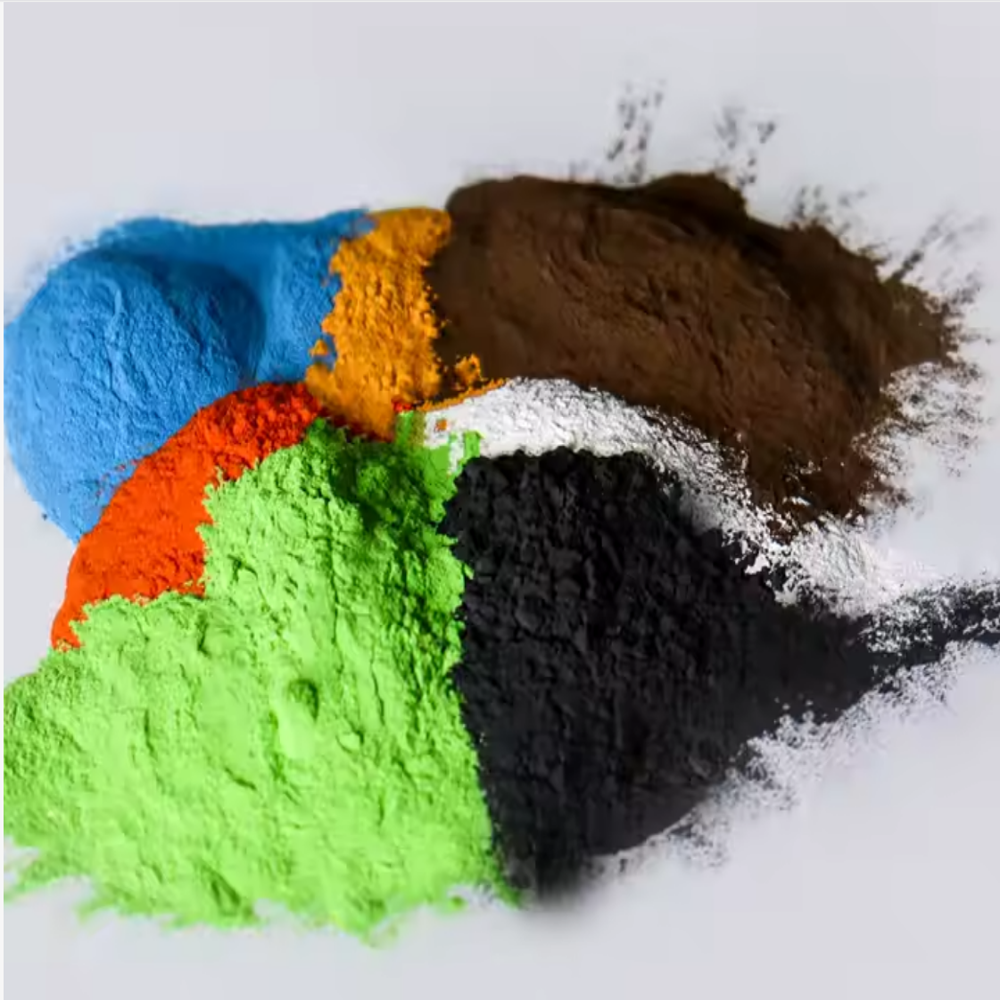
Appearance : Other, Fine powder, available in multiple colors
Pack Size : 1025 kg
Standard : International Quality Standard
Price 3.0 USD ($) / Kilograms
Minimum Order Quantity : 100 Kilograms
Pack Type : HDPE bag or carton box
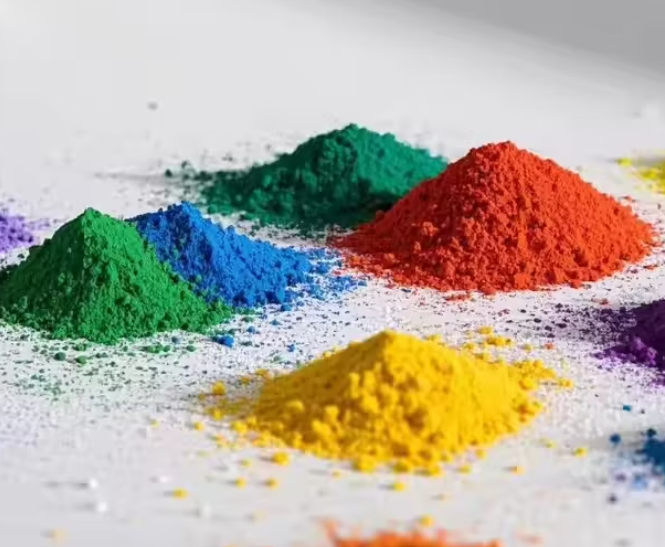
Appearance : Other, Soft Starry Grey Powder
Pack Size : 25 kg (customizable)
Standard : ISO, ASTM, or as per requirement

Price 3.0 USD ($) / Kilograms
Minimum Order Quantity : 100 Kilograms
Pack Type : Plastic bag, box
Appearance : Other, Smooth metallic finish, platinum look
Pack Size : 1 kg, 5 kg, 20 kg
Standard : Industrial


 Send Inquiry


 Send Inquiry
 Send Inquiry
