
Call us now
Powder coating is a versatile and durable finishing technique used across a wide range of industries. Its ability to provide a high-quality, long-lasting finish while being environmentally friendly has made it a preferred choice over traditional liquid paints. From automotive parts to architectural structures, powder coating enhances both the aesthetics and performance of countless products. Below, we explore some of the most common applications of powder coating in various industries.
One of the largest markets for powder coating is the automotive industry, where it is used extensively to protect and enhance vehicle components. The advantages of powder coating in this sector include improved durability, resistance to corrosion, and a high-quality finish. Some key automotive applications include:
Wheels and Rims: Powder coating provides a sleek, durable, and chip-resistant finish for wheels and rims, helping to maintain their appearance even under harsh road conditions.
Chassis and Frames: Vehicle frames and chassis benefit from the corrosion resistance that powder coating offers, increasing their longevity and durability.
Bumpers and Trim Components: Various exterior parts, including bumpers, mirrors, and door handles, are powder-coated to improve their resistance to scratches and wear.
Engine Components: Certain high-heat-resistant powder coatings are applied to engine parts to protect them from extreme temperatures and chemical exposure.
Powder coating plays a crucial role in the architectural and construction industries, where it is used to enhance both the structural integrity and aesthetics of building materials. Some of the most common uses include:
Window and Door Frames: Powder-coated aluminum and steel window and door frames offer excellent durability and weather resistance, preventing rust and fading over time.
Railings and Fencing: Metal railings and fences benefit from powder coatings ability to resist corrosion, moisture, and UV damage, ensuring long-lasting protection.
Structural Steel: Bridges, facades, and various steel structures use powder coating for added protection against environmental exposure and to improve their aesthetic appeal.
Outdoor Furniture: Patio and garden furniture, including tables and chairs, are powder-coated to prevent rust and enhance their lifespan.
Powder coating is also widely used in household appliances and furniture, offering a durable and visually appealing finish for products that are exposed to frequent use and environmental factors.
Refrigerators and Ovens: Many kitchen appliances feature powder-coated exteriors due to their ability to withstand heat, moisture, and cleaning chemicals.
Washing Machines and Dryers: These appliances benefit from powder coatings rust-resistant properties, ensuring longevity even in humid environments.
Office and Home Furniture: Desks, chairs, filing cabinets, and shelving units are commonly powder-coated to provide a scratch-resistant and easy-to-clean surface.
Light Fixtures: Many interior and exterior light fixtures are powder-coated to prevent rusting and fading over time.
In the industrial sector, powder coating is crucial for protecting heavy machinery and equipment that are exposed to extreme conditions.
Agricultural Equipment: Tractors, plows, and irrigation systems are powder-coated to prevent rust and withstand exposure to soil, moisture, and chemicals.
Construction Equipment: Bulldozers, cranes, and other heavy-duty machinery use powder coating for extra durability and resistance to wear and tear.
Pipes and Valves: Powder coating provides a corrosion-resistant barrier for pipes, valves, and fittings used in water treatment and industrial processes.
Powder Coating Materials & Their Purpose
The main raw material components used in powder coating formulations include:
Resins are the key component of powder coatings. The range of resins used is increasing steadily in an attempt to meet the more demanding needs of new market sectors.
Curing agents are used according to the type of resin system employed and the final properties required of the coating.
Accelerators are used to increase the cure reaction rate. Select 100+ accelerators for powder coatings.
Pigments are generally solid particulate materials such as titanium dioxide or carbon black.
Fillers are used to reduce the cost of the coating formulation and/or to improve specific properties such as flow, surface texture, lubricity, etc. Common fillers are barytes, calcite, mica, talc, whiting, and wollastonite.
Extenders, such as aluminum silicate, are used to provide opacity and act as a filler.
Degassing agents are particularly important in low-bake systems. They are used to eliminate/dissipate gas bubbles that may cause film porosity and embrittlement or poor finish.
Dry Flow agents improve the free flow of powders within the production delivery systems.
Flow agents enhance film properties and eliminate surface defects by improving the flow of the molten coating. Examples of flow agents include polyacrylates, silicones, surfactants, and fluorinated alkyl esters.
Matting agents are used to reduce the gloss of the cured film.
Texturing agents are used to control/enhance the gloss level of cured films.
Rheological additives provide viscosity control to molten coatings for improved edge coverage or for textured surface effects.
Waxes are added to the formulation to provide slip, hardness, scratch and mar resistance, and to act as free flow powders and anti-bridging agents in processing.
Tribo-charging additives such as antioxidants and light stabilizers are frequently used in powder coatings. Depending on their composition, tribo-static powders require additives, such as HALS to improve their charge ability in addition to their light stabilization properties.
Heat stabilizers are required to be thermally stable and non-volatile during high-temperature powder extrusion and curing processes (electric and direct-fired gas ovens), and to show no discoloration. Various classes of antioxidants have different thermal stabilization mechanisms. High resistance against UV degradation is necessary for all exterior applications. This is achieved through a synergistic combination of UV absorbers and HALS.
UV absorbers work by absorbing detrimental UV radiation and harmlessly releasing the energy as heat before it can cause polymer degradation.
HALS neutralizes any free radicals, thereby preventing polymer degradation. HALS are not dependent on coating thickness for their efficacy.
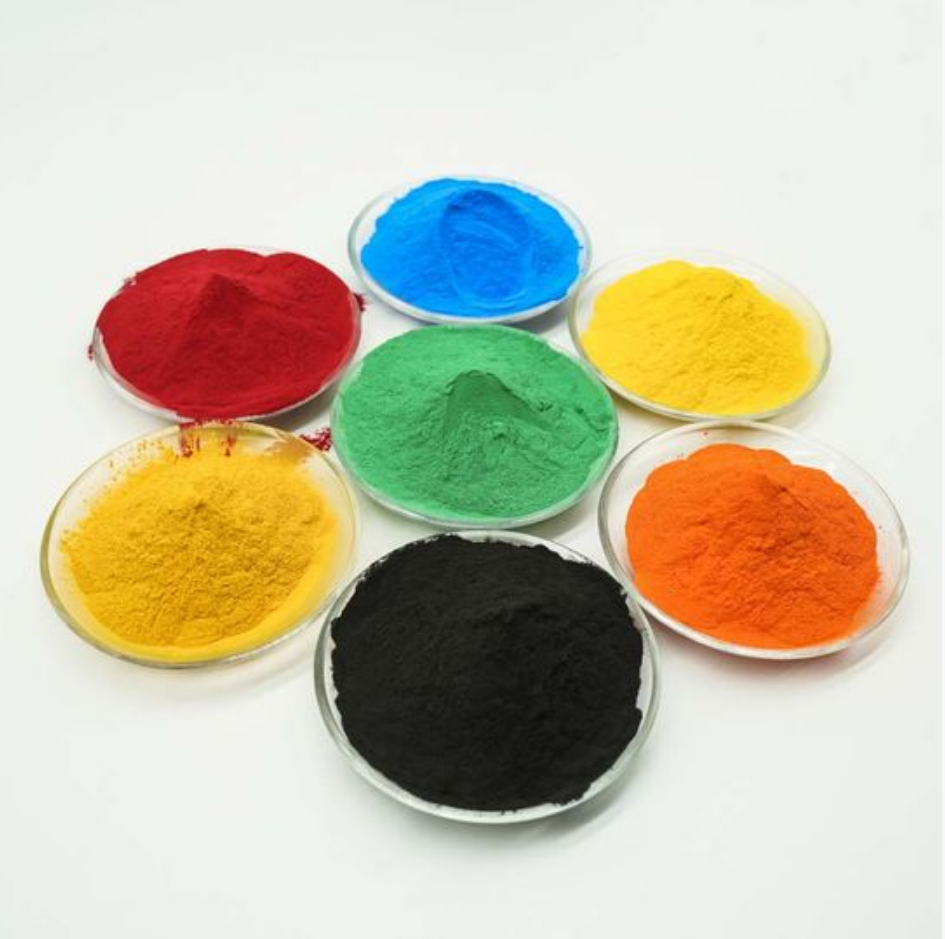

Price:

Price 4.0 USD ($) / Kilograms
Minimum Order Quantity : 100 Kilograms
Usage : Other, Protective and decorative coating for coils
Standard : ISO 12944 / ASTM D3359
Type : Weatherresistant Powder Coating
Chemical Name : Other, Polyester Resinbased Powder Coating
Price 2950.0 USD ($) / Ton
Minimum Order Quantity : 1 Ton
Usage : Other, Protective and decorative coating for metal surfaces
Standard : ISO 9001 Certified
Type : Thermosetting powder coating
Chemical Name : Other, Black Powder Coating
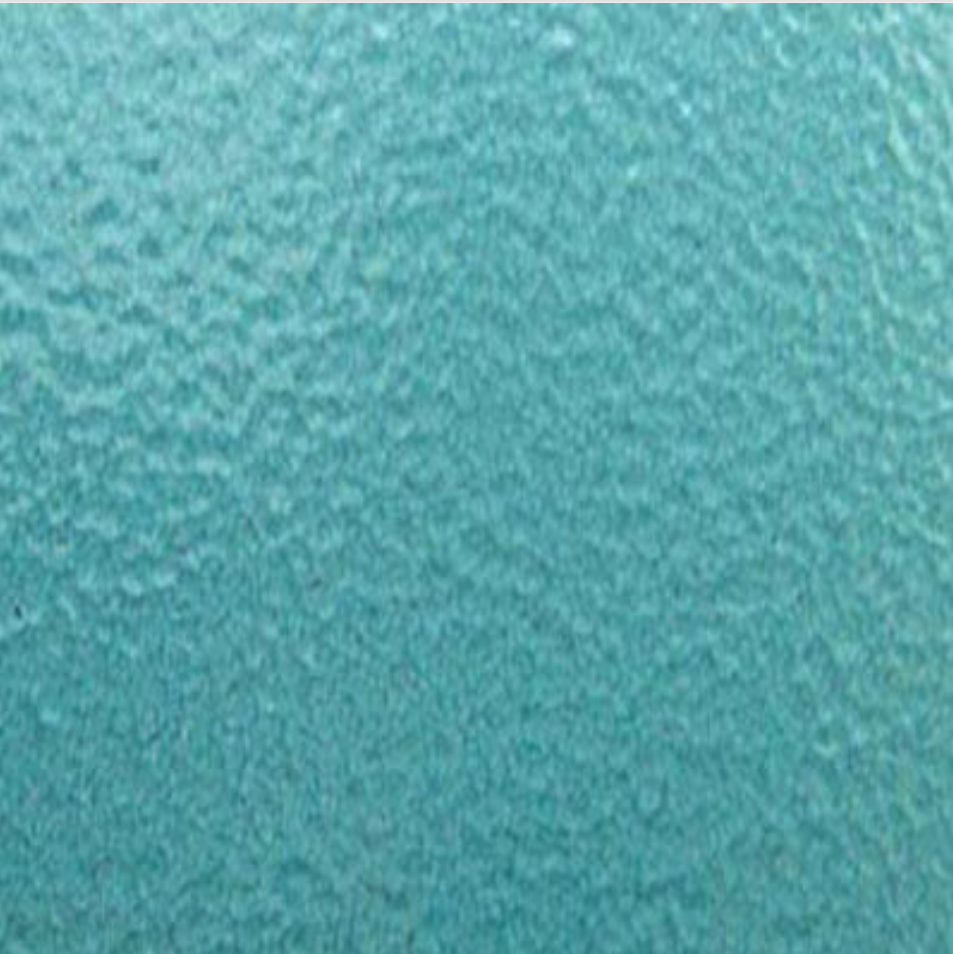
Price 2950.0 USD ($) / Ton
Minimum Order Quantity : 1 Ton
Usage : Other, Metal surface finishing, decorative and protective coating
Standard : Industry Standard
Type : Thermosetting Powder
Chemical Name : Other, Wrinkle Powder Coating
Price 2950.0 USD ($) / Ton
Minimum Order Quantity : 1 Ton
Usage : Other, Used for surface matting in coatings and plastics
Standard : Industrial Grade
Type : Matting Agent
Chemical Name : Other, Sand grain matte MT629/7A612


 Send Inquiry


 Send Inquiry
 Send Inquiry
