Epoxy/Polyester Powder Coatings About
Feature:
-Good bond ability and mechanical performance
-Smooth and glossy
-Certified chemical resistance
-Better heat resistance and light resistance than pure epoxy powder
-Can not use on outdoor
Field of application:
For metal (steel or aluminum) items of interior use, such as auto parts and underbody, electrical appliances, metal furniture, computers, refrigerators, etc.
Product availability:
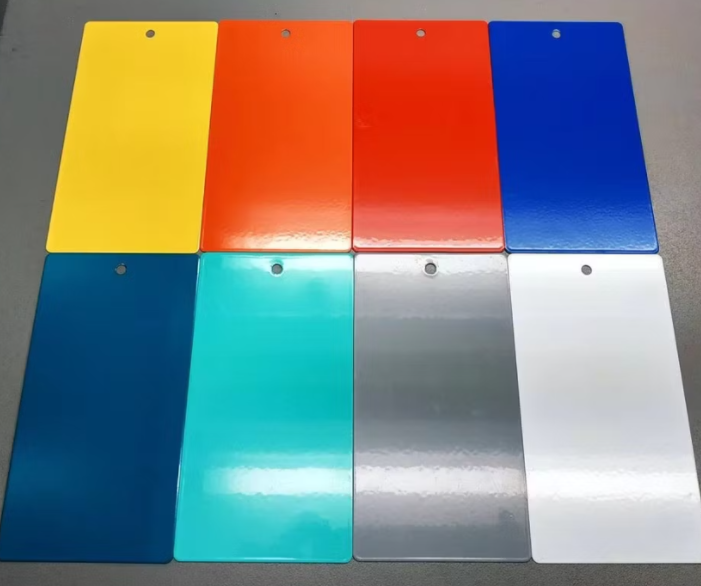
| Color |
Various |
| Gloss Range |
2-95% (smooth surface at 60) |
| Surface |
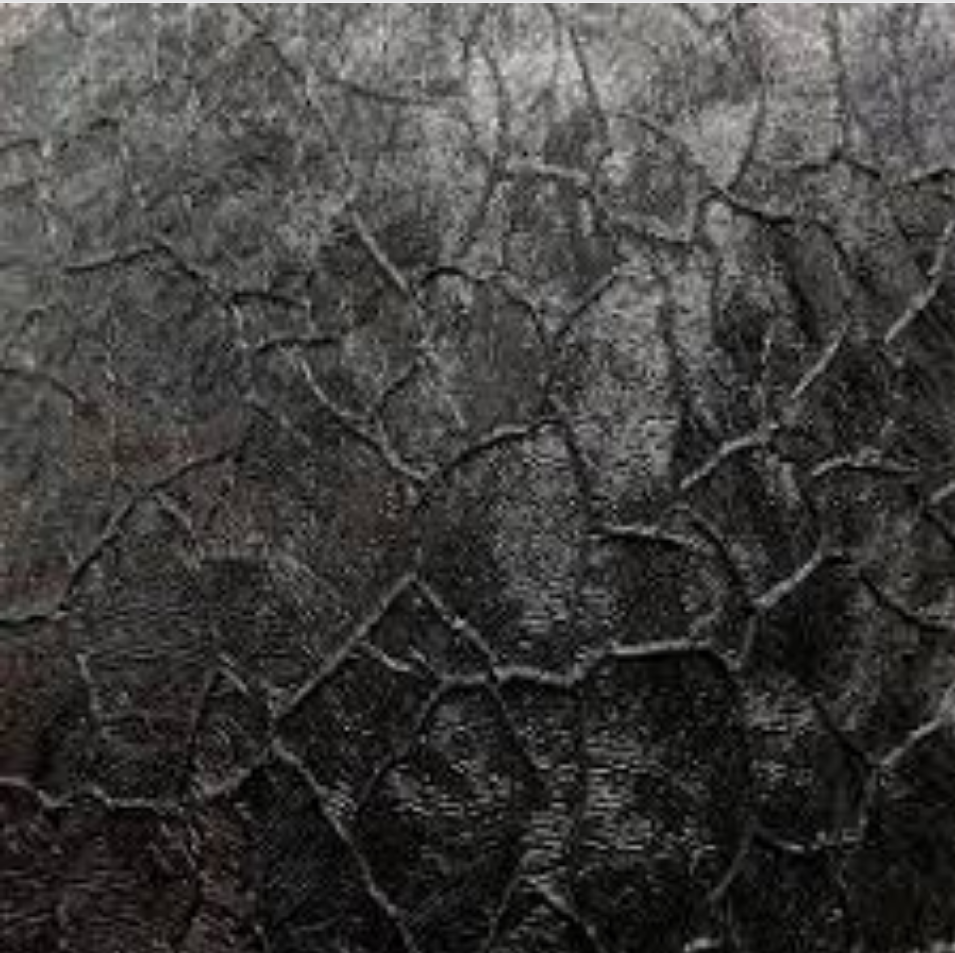
Smooth and special finish (texture, wrinkle,hammer etc) for all kinds of gloss |
| Density |
1.4-1.8 g/cm3 |
| Curing guide |
180C/20min,190C/15min or 200C/10min |
Application Methods:
Corona electrostatic spraying ,Electrostatic-fluidized bed, Fluidized beds,Tribo charging guns
| Film thickness |
40u150um,suggest 40um80um |
| Average coverage |
1012 square meter/KG,with 60um (100% use rate) |
| Packing |
Double PP bags, N.W 20kg/carton or 25kg/carton |
| Shelf life |
12 month within 30,avoid direct sunlight. |
Versatile Surface ProtectionEpoxy/Polyester Powder Coatings are ideal for enhancing and safeguarding a wide range of metal surfaces, from architectural fittings to industrial furniture and appliances. With outstanding adhesion and flexibility, these coatings form a resilient barrier against physical impact and environmental exposure, ensuring prolonged aesthetics and structural integrity.
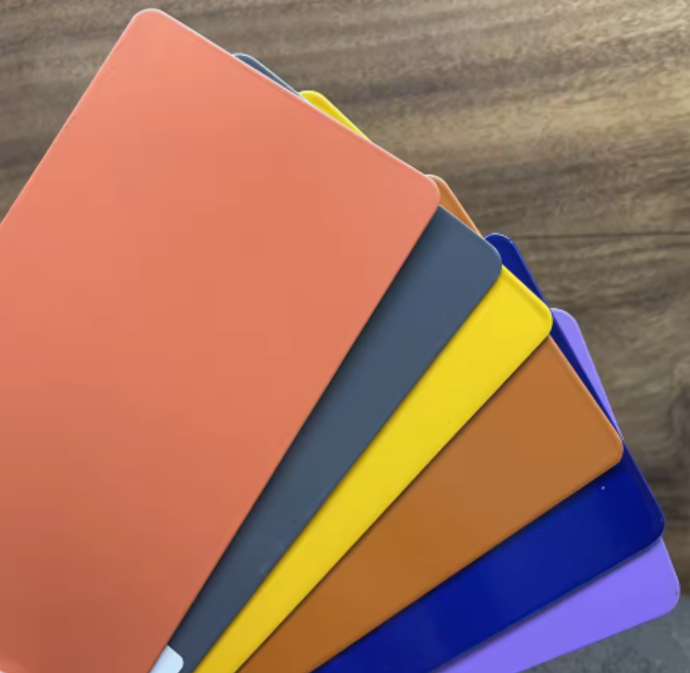
Range of Finishes & ColorsChoose from glossy, semi-gloss, or matt finishes tailored to your project's aesthetic needs. With a broad palette of colors and consistent, smooth application achieved via electrostatic spraying, you can create visually appealing and uniform surfaces that maintain their look and performance over time.
Superior Durability & ResistanceFormulated to meet stringent industry standards, these coatings protect against corrosive elements, including salt spray for at least 500 hours. The 6 mm mandrel flexibility, strong impact resistance, and excellent cross-hatch adhesion ensure that finishes stay reliable and intact even in demanding environments.
FAQ's of Epoxy/Polyester Powder Coatings:
Q: What substrates are suitable for Epoxy/Polyester Powder Coatings?
A: These powder coatings are specially designed for metal substrates such as aluminum, steel, and galvanized iron. They adhere exceptionally well, providing a durable protective finish suitable for various industrial and architectural applications.
Q: How should these powder coatings be applied?
A: Epoxy/Polyester Powder Coatings are applied using an electrostatic spray process. This ensures even distribution and strong adhesion of the powder to the metal surface, resulting in a uniform and resilient coating after curing at 180C to 200C.
Q: Where can these coatings be used effectively?
A: These coatings are versatile, making them suitable for both indoor and outdoor metal surfaces, such as window frames, doors, furniture, and household appliances. Their robust properties provide protection and aesthetic appeal in a variety of environments.
Q: What are the recommended storage conditions for these powder coatings?
A: Store the coatings below 30C and away from moisture to maintain their quality and shelf life. Proper storage ensures that the powder retains its application properties for up to 12 months from the manufacturing date.
Q: What are the main benefits of using Epoxy/Polyester Powder Coatings?
A: The main advantages include excellent adhesion, high impact resistance (50 kg.cm), flexibility, and reliable corrosion protection with a minimum of 500 hours salt spray resistance. They also allow for a tailored appearance with various finishes and colors.
Q: When is the optimal time to cure the coated items?
A: After electrostatic application, curing should be done promptly at a temperature between 180C and 200C. This process cross-links the coating, producing a hard, durable finish with superior performance characteristics.
Q: How does film thickness impact performance?
A: A recommended film thickness of 60-90 microns delivers optimal balance between protection, appearance, and flexibility. It ensures adequate coverage without compromising the coating's adhesion or physical durability.





 Send Inquiry

 Send Inquiry
 Send Inquiry