Coating for Busbar by Electrostatic Spray Application

Coating for Busbar by Electrostatic Spray Application

Coating for Busbar by Electrostatic Spray Application Specification

  • Chemical Name
  • Polyester Resin (Typical for busbar powder coatings)
  • CAS No
  • N/A (Mixture of polymeric compounds)
  • Type
  • Electrostatic Powder Coating
  • Standard
  • IEC 60439, ASTM D3359, or as per manufacturer specification
  • Grade
  • Industrial/Busbar Grade
  • Usage
  • Protective and insulating coating for electrical busbars
  • Appearance
  • Available in various colors (brown, black, red, grey, white, yellow, cream, etc.)
  • Physical Form
  • Powder
  • Pack Size
  • 10 kg, 20 kg, 25 kg
  • Pack Type
  • Sealed HDPE liner inside cardboard box
  • Service Temperature
  • -40C to +120C (continuous exposure)
  • Application Method
  • Electrostatic Spray Application
  • Film Thickness
  • 60-120 microns (recommended for busbar insulation)
  • Adhesion
  • Excellent (passes cross-hatch test ASTM D3359)
  • Toxicology
  • Non-toxic after curing, contains no heavy metals, RoHS compliant
  • Hardness
  • 2H - 3H (pencil hardness)
  • Corrosion Resistance
  • Excellent, salt spray test > 1000 hours
  • Custom Colors
  • Available upon request
  • VOC Content
  • Zero
  • Gloss Levels
  • Matt, Semi-gloss, Gloss, Texture
  • Shelf Life
  • 12 months from date of manufacture (when stored below 25C, dry & sealed)
  • Surface Preparation
  • Surface must be degreased and grit-blasted prior to application
  • Curing Schedule
  • 180C - 200C for 10-15 minutes
  • Dielectric Strength
  • > 50 kV/mm (typical for busbar coatings)


Coating for Busbar by Electrostatic Spray Application About

Product Description

MT-EL-HLF59R is a one part, 100 % solids, epoxy powder coating for insulation of wire and busbars. Designed for electrostatic spray application it has excellent resistance against heat, chemicals and moisture. The coating has a good edge coverage and flexibility. It is serviceable up to 130 C.

Powder Properties


Typical value Method
Binder System Epoxy resin
Density 1.75 1.85 g/cm ISO 8130-2
Gel time at 200 C 30 50 sec. modified ISO 8130-6
Storage stability 6 months from date of manufacture at 23 C

Application Data

Preheating temperature 190 235 C object temperature
Post cure conditions 5 10 min. at above temperature
Particle size distribution < 32 m = 25 40 % < 160 m > 99.5 % Malvern ISO 8130-1

Material Properties

Color grey, ca. RAL 7047
Recommended film thickness 200 300 m
Flow smooth
Gloss at 60 angle 40 60 units ISO 2813
Cross cut Gt 0 DIN EN ISO 2409
Impact resistance > 5 Joule DIN 3476-1
Elongation > 5 % DIN 3476-1
Hardness > 100 DIN EN ISO 2815
Pencil hardness 5 H DIN EN 13523-4
Glass transition temperature 65 7 C (Tg1)


112 5 C (Tg2)

40 60 J/g (Delta H)

ISO 11357-2 Inflection point Inflection point
Temperature index 130 C (Class B) IEC 60216-1
Water absorption


(40 h / 23 C)

< 1 % ASTM D 570
Thermal conductivity 0.4 0.5 W/(mK) DIN EN 821

Typical Electrical Properties

Specific surface resistivity > 1013 IEC 60093
Dielectric strength 45 kV/mm IEC 60243-1
Dissipation factor tan , 25 C


Dissipation factor tan , 105 C

< 0.01


< 0.01

ASTM D 150


ASTM D 150

Dielectric constant (100 Hz 1 MHZ) 4.0 ASTM D 149
Comparative tracking index (CTI) CTI 600 / CTI 175M-1.1 IEC 60112
UL 94 Vertical Burning Test V-0 IEC 60695-11-10
Hot wire ignition (HWI) 120 sec. IEC 60695-2-20
High current arc ignition (HAI) 150 UL 746A Section 32


Superior Insulation and Protection

This coating delivers exceptional electrical insulation with a dielectric strength exceeding 50 kV/mm, making it ideal for busbars in demanding environments. Its excellent adhesion, surface preparation requirements, and advanced corrosion resistance ensure durable performance and safety. The zero VOC formula, absence of heavy metals, and compliance with RoHS and major international standards make it a safe, eco-friendly choice for industrial applications.


Customizable Colors and Finishes

Available in a wide variety of colors including brown, black, red, grey, white, yellow, and cream, the coating can match your specific requirements. Choose from multiple gloss levels and textures for aesthetic and functional purposes. Custom shades can be requested to suit corporate or technical specifications, ensuring optimal integration with your electrical systems while maintaining a professional appearance.

FAQ's of Coating for Busbar by Electrostatic Spray Application:


Q: How is the coating applied to busbars?

A: The coating is applied using an electrostatic spray technique. After cleaning and grit-blasting the surface, the powder is sprayed evenly onto the busbar, then cured at 180C to 200C for 10-15 minutes to ensure proper adhesion and insulation.

Q: What film thickness is recommended for insulating busbars, and why?

A: A film thickness of 60-120 microns is recommended for busbar insulation. This range ensures optimal electrical insulation, mechanical protection, and durability without compromising flexibility or performance.

Q: When can the coated busbar be put into use after application?

A: Busbars can be handled and put into service once the coating has completed its curing cycle-typically 10-15 minutes at 180C-200C-followed by sufficient cooling. The cured coating provides immediate insulation and protection.

Q: Where can this busbar coating be used?

A: This industrial-grade coating is suitable for electrical busbars in switchboards, panels, and distribution assemblies across utility, industrial, and infrastructure applications, where robust insulation and corrosion resistance are required.

Q: What are the main process steps for optimal coating performance?

A: First, degrease and grit-blast the busbar surface for proper adhesion. Next, uniformly apply the powder by electrostatic spray. Finish by curing at the recommended temperature and time. Proper process ensures high dielectric performance and durability.

Q: What are the advantages of using this powder coating for busbars?

A: Benefits include superior electrical insulation, excellent adhesion and corrosion resistance, non-toxic properties, zero VOC emissions, and customization in colors and finishes. It's also RoHS compliant and suitable for continuous high-temperature service.

Q: How should the coating powder be stored and what is its shelf life?

A: The powder should be stored in sealed packaging below 25C in a dry environment. Under these conditions, it maintains its properties for up to 12 months from the manufacturing date.

Tell us about your requirement
product

Price:

Quantity
Select Unit

  • 50
  • 100
  • 200
  • 250
  • 500
  • 1000+
Additional detail
Mobile number

Email

More Products in Powder Coating Category

High Adhesion Powder Coatings - Strong & Durable Coating Solution

High Adhesion Powder Coatings - Strong & Durable Coating Solution

Price 2950.0 USD ($) / Ton

Minimum Order Quantity : 1 Ton

Standard : ASTM D3359, ISO 7784, or as per requirement

Physical Form : Powder

Type : Thermosetting Powder Coating

Usage : Other, Appliance, Furniture, Metal Fabrication, Outdoor Equipment, Decorative & Protective Coating
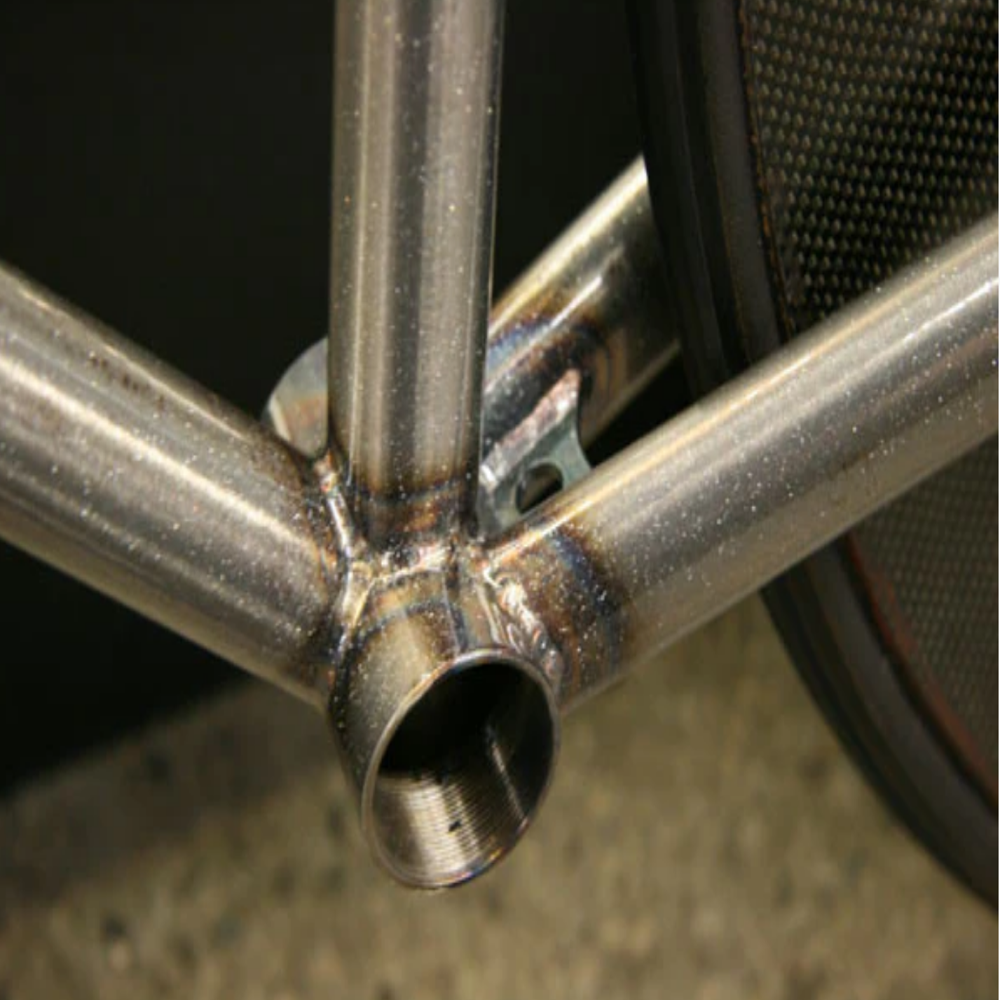
Transparent Powder Coating

Transparent Powder Coating

Price 2950.0 USD ($) / Ton

Minimum Order Quantity : 1 Ton

Standard : ISO 9001:2015

Physical Form : Other, Fine Powder

Type : Thermosetting Powder Coating

Usage : Other, Metal Protection, Furniture Finishing, Automotive, Bicycles, General Metal Components
Low thickness powder coating

Low thickness powder coating

Price 2950.0 INR / Ton

Minimum Order Quantity : 1 Ton

Standard : Industry Standard

Physical Form : Powder

Type : Low Thickness Powder Coating

Usage : Other, Indoor and Outdoor Protection/Fabrication finishing
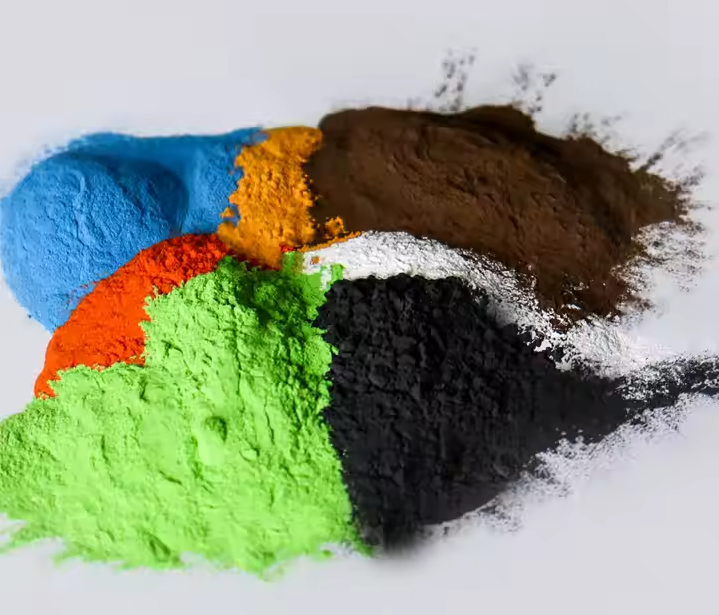
Silver powder coating series

Silver powder coating series

Price 2950.0 USD ($) / Ton

Minimum Order Quantity : 1 Ton

Standard : ISO 9001:2015

Physical Form : Other, Solid powder

Type : Thermosetting Powder Coating

Usage : Other, Surface finishing, metal protection, decorative applications


arrow